
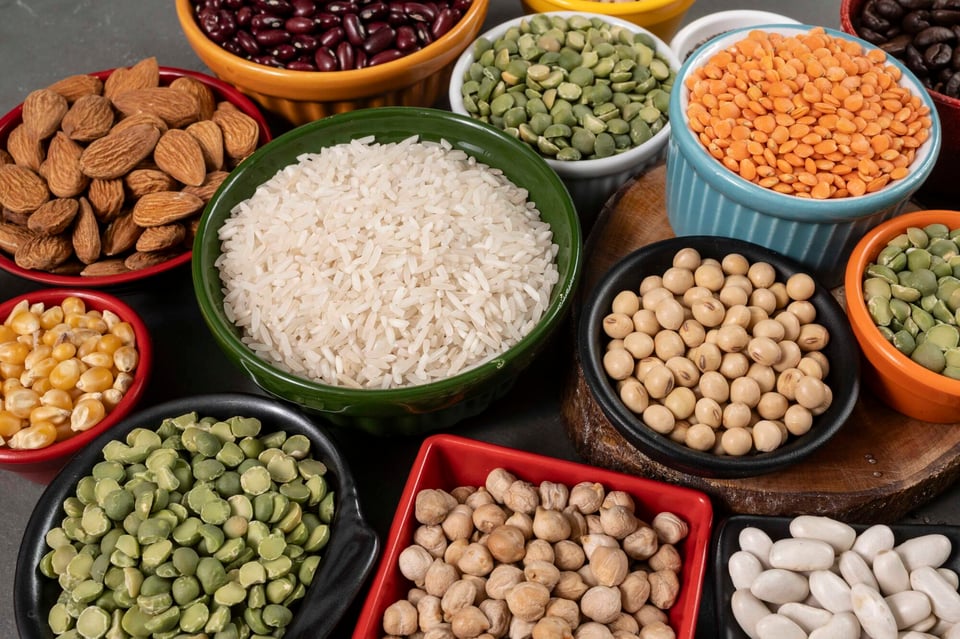
When seniors suffer from certain conditions like diverticulitis, IBD, or chronic diarrhea, they will need to restrict the consumption of raw vegetables, whole grains, and other high-fiber foods for a while.
Fiber is often promoted as essential for digestive and heart health, but there are times when a low-fiber diet is medically necessary, especially for seniors. Certain digestive conditions, medical procedures, or flare-ups can make high-fiber foods uncomfortable or even harmful in the short term.
Understanding when a low-fiber diet is appropriate, how it affects the body, and how to maintain proper nutritional balance is key to protecting long-term health and energy.
This senior digestive wellness guide explains what you should know about following a low-fiber diet safely and effectively in Burlington, Iowa.
What Is a Low-Fiber Diet?
A low-fiber diet typically limits fiber intake to 10-15 grams per day, compared to the usual recommendation of 21-30 grams for older adults. The purpose is to reduce stool bulk and slow digestion, allowing the gastrointestinal tract to rest.
Low-fiber diets are sometimes called low-residue diets, as they reduce undigested material moving through the intestines.
Why Seniors May Need a Low-Fiber Diet
While fiber benefits most people, seniors are more likely to experience conditions where fiber restriction is helpful or necessary. Common reasons include:
- Diverticulitis flare-ups
- Inflammatory bowel disease (IBD) during active phases
- Bowel obstructions or narrowing of the intestines
- Chronic diarrhea or severe bloating
- Recovery after intestinal surgery
- Preparation for or recovery from certain medical procedures
In these situations, reducing fiber can ease symptoms like cramping, pain, urgency, and gas.
Understanding the Nutritional Trade-Offs
Fiber supports digestion, cholesterol management, blood sugar control, and gut health in aging. When fiber intake is reduced, seniors must be mindful of potential side effects, including:
- Constipation
- Blood sugar fluctuations
- Reduced fullness after meals
- Changes in cholesterol levels
This makes nutrition changes with age especially important while following a low-fiber plan.
Foods Commonly Allowed on a Low-Fiber Diet
Low-fiber diets focus on foods that are easy to digest and gentle on the gut. Here are some options:
- Refined grains (white bread, white rice, pasta)
- Cooked vegetables without skins, seeds, or stems
- Canned or well-cooked fruits without skins or seeds
- Lean proteins such as poultry, fish, eggs, and tofu
- Dairy products, if tolerated
- Smooth nut butters in small amounts
These foods provide calories and protein without irritating the digestive system.
Foods Usually Limited or Avoided
High-fiber foods are often restricted during a low-fiber diet. Restricted foods include:
- Whole grains and bran
- Raw vegetables
- Legumes and lentils
- Nuts and seeds
- Dried fruits
- Fruits and vegetables with skins or seeds
- Cruciferous vegetables like broccoli and cauliflower
Restrictions vary by condition, so individualized dietary tips for seniors living in senior living communities are essential.
How Seniors Can Maintain Nutritional Balance
Following a low-fiber diet does not mean sacrificing overall nutrition. Strategic food choices help protect strength, immunity, energy, and digestive support.
1. Prioritize Protein Intake
Protein supports muscle mass, mobility, and immune health, critical for aging adults.
Low-fiber protein sources include:
- Eggs
- Fish and seafood
- Poultry
- Lean meats
- Greek yogurt and cottage cheese
2. Include Healthy Fats
Healthy fats support brain health and help with nutrient absorption.
Good options include:
- Olive oil
- Avocado (in small portions if tolerated)
- Soft spreads and oils
- Fatty fish such as salmon
3. Choose Cooked Produce
Cooking vegetables and removing skins significantly lowers fiber while preserving vitamins.
Examples:
- Peeled, cooked carrots
- Mashed potatoes without skins
- Applesauce instead of raw apples
- Well-cooked zucchini or squash
4. Stay Well Hydrated
Lower fiber intake can slow digestion. Adequate fluid intake helps prevent constipation and supports overall health.
5. Monitor Micronutrient Intake
Fiber-rich foods are often sources of vitamins and minerals. Seniors on prolonged low-fiber diets may need supplementation under medical supervision.
Is a Low-Fiber Diet Meant to Be Long-Term?
For most seniors, a low-fiber diet is temporary, used during healing or symptom flare-ups. Once symptoms improve, healthcare providers often recommend slowly reintroducing fiber to support long-term gut and heart health.
Remaining on a low-fiber diet indefinitely without guidance may increase health risks.
Reintroducing Fiber Safely
When approved by a healthcare provider:
- Add fiber gradually
- Start with soluble fiber (such as oats or peeled fruits)
- Introduce one new food at a time
- Increase fluids alongside fiber
- Watch for symptoms
This approach helps the digestive system adapt comfortably.
Potential Risks of Long-Term Fiber Restriction
Extended low-fiber intake may contribute to:
- Chronic constipation
- Reduced gut microbiome diversity
- Higher cholesterol levels
- Blood sugar instability
- Reduced digestive resilience
Ongoing medical oversight helps prevent these issues.
The Importance of Medical Guidance
Seniors should always consult a doctor or registered dietitian before starting or continuing a low-fiber diet. Professional guidance ensures:
- The diet is appropriate for the condition
- Nutritional needs are met
- Fiber is reintroduced safely when possible
Personalized care is especially important as health needs change with age.
Frequently Asked Questions
What Is The Purpose Of A Low-Fiber Diet?
A low-fiber diet reduces stool bulk and digestive workload, helping manage conditions like diverticulitis, bowel obstruction, or post-surgical recovery.
Is A Low-Fiber Diet Safe For Seniors?
Yes, when medically indicated and properly managed. It should be followed under healthcare supervision to avoid nutrient deficiencies.
How Much Fiber Should Seniors Consume On A Low-Fiber Diet?
Most low-fiber diets limit intake to about 10-15 grams per day, depending on medical recommendations.
Can A Low-Fiber Diet Cause Constipation?
Yes. Staying hydrated and following medical guidance can help reduce the risk of constipation.
Are Fruits And Vegetables Completely Avoided?
No. Seniors can eat cooked or canned fruits and vegetables without skins or seeds, which are lower in fiber.
Senior Digestive Wellness Needs Adjustments to Diet
No one senior is going to be the same as they age. Everyone will need adjustments or tweaks to their diet, either eating a low-fiber diet or a high-fiber one.
At Addington Place of Burlington, we are always interested in ensuring you eat a healthy diet. That's why our chefs are always creating new menu items with nutritious and delicious ingredients. You can speak to the chef about modifying your diet when living in the community.
Schedule a tour of our community to see how all of our amenities and services could be a fit for you.
%20Large.jpeg?width=1200&height=801&name=Addington_Place_of_Burlington_14%20(1)%20Large.jpeg)