
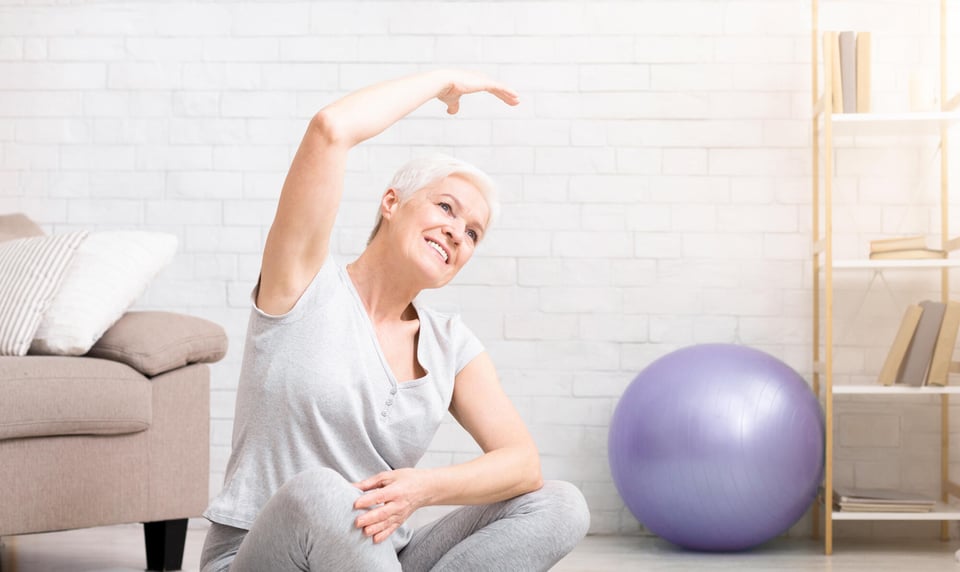
One of the most essential indoor exercise benefits is how it reduces fall risk by maintaining balance and muscle strength. It's essential during the icy months when exercising outside is difficult.
According to the CDC, over 14 million seniors fall every year. It's the leading cause of injury in adults over 65 years old.
Iowa senior wellness programs are affected by its climate because icy weather increases fall risk. Recent reports from the National Weather Service's Climate Prediction Center predict approximately 33-50% more precipitation.
Senior living in Burlington, Iowa, remains a comfortable experience in an inviting city perfect for seniors who want to spend quiet, relaxing days. You can visit the historic Snake Alley with your family or go outdoors to Crapo Park.
Risk Factors for Falling
One of the most important parts of fall prevention at home is knowing what puts you at a higher risk of falling.
Age isn't the only factor. A previous fall makes you more likely to have another. Existing mobility issues can also increase your risk.
Certain chronic conditions also play a role, such as:
- Parkinson's
- Heart disease
- Diabetes
- Strokes or heart attacks
- Arthritis or joint pain
Cognitive decline is another factor. Memory care in Burlington, Iowa, can help keep those with Alzheimer's and other forms of dementia safe from falling.
There are other risk factors as well. A sedentary lifestyle weakens muscles and increases the risk of falls.
Assisted living in Burlington, Iowa, can help prevent this. These communities offer easy access to a range of exercise options. They'll also make it fun and social.
How Does Exercise Reduce the Risk of Falling?
A recent CDC report showed that over 85% of adults 65 and older aren't getting the recommended amount of exercise.
This is a problem because exercise can:
- Strengthen muscles
- Improve your balance
- Improve your stamina
These are important benefits because they reduce your risk of falling. They also reduce your risk of serious injury if you do.
Why Is Exercise Important In Winter?
Exercise becomes more difficult in winter. Ice and snow increase the risk of falls. Even indoor spaces can be slippery.
Winter makes it more likely to have a sedentary lifestyle, which can lead to tighter muscles and joints or lower energy.
The lack of light can even lead to seasonal affective disorder (SAD). Psychiatry.org says approximately 5% of adults experience it, and symptoms last for 40% of the year.
Exercise helps combat all of these issues. It helps you keep your body strong and prevents falls. It's a crucial part of winter safety for seniors.
Important Indoor Exercise Benefits
Indoor exercise helps reduce fall riskby improving:
- Stability
- Reaction time
- Joint mobility
This is only one of the many indoor exercise benefits.
It improves cardiovascular and bone health. It improves mood and alleviates SAD.
It can even prevent loneliness and isolation. This is an issue that Michigan Medicine says approximately one in three seniors experiences.
Group classes let you exercise indoors socially. These are common amenities and activities available at senior living communities.
Indoor Exercise Options
Walking may be the first indoor exercise that you think of, but, fortunately, it isn't your only option. You can also engage in cardio and improve your balance and strength when you can't leave home.
Strength Training
Strength exercises target your legs and core. They're the most important body areas for walking.
A few options for indoor strength training include:
- Sit-to-stand from a chair
- Wall pushups
- Heel raises
- Mini-squats
- Resistance bands
Balance Exercises
Senior balance training is essential. It's one of the most important ways to prevent falls.
Balance exercises include:
- Single-leg stance on a countertop
- Tandem stances (heel-toe)
- Side-stepping a countertop
- Weight lifts
Flexibility and Mobility Exercises
Flexibility and mobility exercises combat stiffness that can cause you to feel "locked up" and unable to walk. They also improve gait so that you walk more smoothly.
Focus on stretching important areas, such as the:
- Hamstringts
- Calves
- Hips
- Ankles
Low-Impact Cardio
Strength training should always be complemented with cardio. This is primarily because of the benefits it provides for the heart.
There are several low-impact options for seniors, such as:
- Low-impact cardio
- Marching in place
- Indoor walking
- Dancing
- Step-touch routines
- Stationary bikes
Mind-Body Exercises
The mind and the body are intimately connected. Holistic exercises that acknowledge the connection can improve balance and confidence. Chair yoga and tai chi are two of the most common options.
How to Ensure Safe Winter Movement
Ensure safe winter movement by finding sturdy shoes. Make sure they have enough grip and fit well.
Use chairs and benches for support. Have proper lighting wherever you work out.
Frequently Asked Questions
What Is the Best Time of Day to Exercise?
The answer for the best time of day to exercise depends on several factors. What's your schedule? What are your goals? The "best" time is whatever you can stay consistent with.
A morning session can improve your sleep and metabolism. Late afternoon sessions can improve performance. Evening sessions can help you destress after a long day.
What Is the Recommended Temperature for Most Indoor Fitness Classes?
According to the International Exercise Association (IEA), 65-68°F is the ideal temperature for indoor exercises such as:
- Pilates
- Aerobics
- Weight training
- Cardio
It's also important to control the humidity levels. It should be 40-60%.
Pools should be kept at around 70-80°. Yoga classes can go closer to 80 and have a higher humidity.
These are only suggestions. Seniors may prefer their class to be a bit warmer.
What Nutrient Helps Prevent Falls?
Eating a nutritious diet is another key part of fall prevention. According to a study published in BMC Geriatrics, Vitamin D creates a 22% reduction in falls.
Calcium is also essential. Vitamin D with or without calcium was more effective than Vitamin D alone.
Visit Addington Place of Burlington
Indoor exercise benefits for seniors become even clearer in winter. They keep your bones and muscles strong. Most importantly, they prevent falls.
Addington Place of Burlington is a senior living community that puts care and comfort first. We offer assisted living and memory care.
Our suites and one or two-bedroom apartments are designed to make every day easy and fun. We offer fresh dining, group activities, and specialized programs to activate the
Contact us to learn more about our community today.
%20Large.jpeg?width=1200&height=801&name=Addington_Place_of_Burlington_14%20(1)%20Large.jpeg)